



Multiple Countries Close Airspaces and US Embassies Issue Safety Advisory
Several countries in the Middle East have recently taken significant measures in response to escalating tensions in the region. Iran, Iraq, and Israel have opted to close their airspaces to civilian traffic as a precautionary move.
Closure of Airspaces
Iran, Iraq, and Israel’s decisions to close their airspaces come amidst heightened security concerns. The closures are likely in response to recent events that have raised tensions in the region. By restricting civilian air traffic, these countries aim to enhance security and protect their airspace from potential threats.
US Embassies Issue Safety Advisory
In light of the current situation in the Gulf region, US embassies have issued advisories urging American citizens to take necessary precautions. The embassies have recommended that US citizens residing or traveling in the area should seek shelter and avoid unnecessary risks.
Impact on Civilian Travel
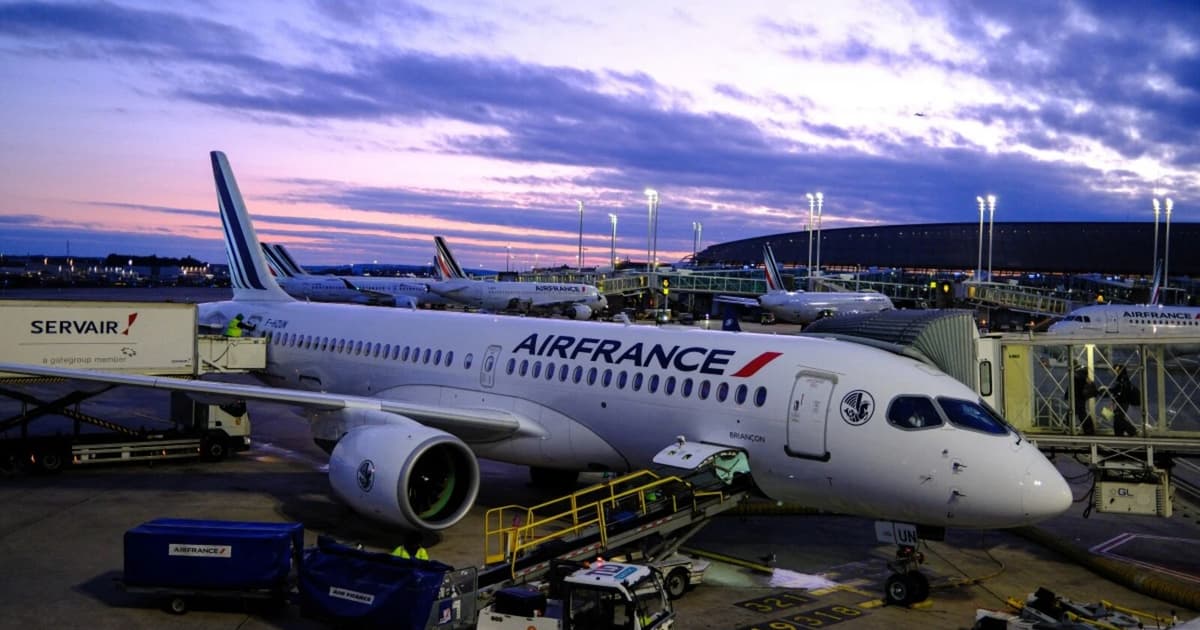
The closure of airspaces in Iran, Iraq, and Israel is expected to disrupt civilian travel plans. Airlines operating in the region may need to adjust their flight paths or cancel flights in response to the airspace closures. Travelers are advised to stay informed about any changes to flight schedules and to contact their airlines for further guidance.
Regional Tensions
The decision to close airspaces and issue safety advisories highlights the ongoing tensions in the Middle East. Recent geopolitical developments have heightened security concerns in the region, prompting countries to take precautionary measures to ensure the safety of their citizens and airspace.
International Response
The closures of airspaces by Iran, Iraq, and Israel have raised concerns internationally. The impact of these closures on civilian air traffic and regional stability is being closely monitored by the international community. Efforts are being made to de-escalate tensions and prevent any further escalation of the situation.
Conclusion
The closure of airspaces and safety advisories issued by US embassies in the Gulf region reflect the current state of heightened tensions in the Middle East. It is crucial for all parties involved to exercise caution and prioritize the safety and security of civilians in the region. Efforts to de-escalate the situation and promote dialogue are essential to maintaining peace and stability in the region.
Source
This article is written in response to original article.