




Government Official Addresses Critical Challenge in Human Capital Development
Introduction
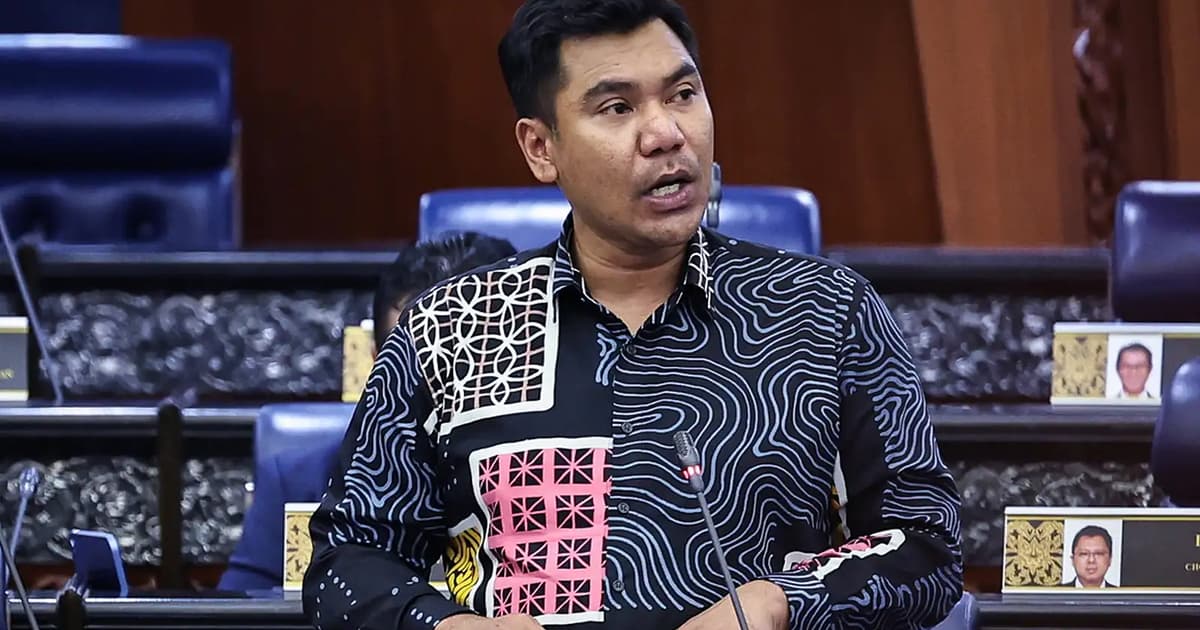
Timbalan Menteri Belia dan Sukan (Deputy Minister of Youth and Sports), Mordi Bimol, recently emphasized the significance of addressing a critical challenge in the country’s human capital development.
The Statement
In a statement, Bimol highlighted that the phenomenon poses a significant challenge to the nation’s efforts in developing its human capital. The Deputy Minister did not provide specific details about the nature of the challenge but stressed its importance in the context of national development.
Significance of Human Capital Development
Human capital development plays a crucial role in enhancing the overall productivity, competitiveness, and sustainability of a nation’s economy. By investing in the education, skills, and health of its population, a country can ensure long-term growth and prosperity.
Government Initiatives
The government often implements various initiatives and programs to support human capital development. These initiatives may include education and training programs, healthcare services, employment opportunities, and social welfare programs designed to improve the well-being of the population.
Challenges in Human Capital Development
Despite efforts to promote human capital development, countries face a range of challenges that can hinder progress. These challenges may include inadequate access to education and healthcare services, skills mismatches in the labor market, high unemployment rates, and income inequality.
Implications for National Development
The Deputy Minister’s remarks underscore the critical importance of addressing challenges in human capital development to ensure sustainable national development. Failure to overcome these obstacles could result in a less skilled workforce, lower productivity levels, and reduced competitiveness in the global economy.
Call to Action
Bimol’s statement serves as a call to action for policymakers, government agencies, and other stakeholders to collaborate on solutions that address the identified challenge in human capital development. By working together to overcome barriers to education, skills development, and healthcare access, the country can foster a more prosperous and equitable society.
Conclusion
In conclusion, the recognition of the critical challenge in human capital development by the Deputy Minister of Youth and Sports highlights the importance of prioritizing investments in education, skills training, and healthcare to support long-term national development goals. Addressing these challenges will require concerted efforts and collaboration across various sectors to ensure the well-being and prosperity of the population.
Source
This article is written in response to original article.